
Serving Lincoln County for more than a century!


Serving Lincoln County for more than a century!
Four years ago, state bureaucrats claimed there was a need to end camping at Palouse Falls because of overcrowding.
They promised to add camping at Lyons Ferry, just a few miles away. At the time, they didn't tell the public that it would take at least a decade to add campsites because they had to negotiate with the U.S. Army Corps of Engineers.
I have to wonder if that shutdown was a trial run for the closures taking place this year with several publicly owned, state-managed campgrounds on the chopping block.
Campgrounds closed just in time for the summer season include Rock Lakes near Conconully, Anderson Lake near Elbe, Island Camp near Glenwood and Upper Clearwater near Forks.
In addition to the full closures, bureaucrats have a list of campgrounds where sites and seasons are being slashed.
In the Cle Elum area, 29 Pines won't open until July. And when it does open there will be fewer campsites. Other campgrounds with shorter seasons and fewer campsites are Winston Creek near Mossyrock, Lyre River near Joyce, Harry Osborne State Forest near Sedro-Woolley, Dougan Creek near Washougal and Beark Creek near Forks.
Bureaucrats are claiming state agencies don't have the money to manage campgrounds.
But when you consider the big picture of all the limits being placed on outdoor activities statewide, you have to ask if this is by design.
The state always seems to be adding restrictions – on motor vehicles, hunting, fishing and even restroom use.
As an example, restrooms on Steptoe Butte were eliminated last year under a new so-called "heritage site" designation in connection with an agreement with non-local tribes.
Keep that in mind when visiting Snoqualmie area campsites, where bureaucrats just announced they have instituted "seasonal closures" for restrooms.
As an outdoor enthusiast, I'm concerned about the management of our public lands. And with about 5.6 million acres under state management, you should be concerned, too.
The state is charging more for taxes, fishing and hunting licenses, Discover passes, camping and other fees. But we're getting less for our money.
Washington state is clearly failing when it comes to managing public lands, including parks and campgrounds.
It's time to clean out state government bloat and get back to sound management practices that retain campgrounds, restrooms and more. If state bureaucrats cannot handle that responsibility, then they need to turn management over to local governments and businesses.
Many rural communities survive on much-needed revenue that comes with camping. But the revenue only comes when campgrounds remain open and fully operational.
– Roger Harnack is the publisher of Free Press Publishing. Email him at roger@cheneyfreepress.com.
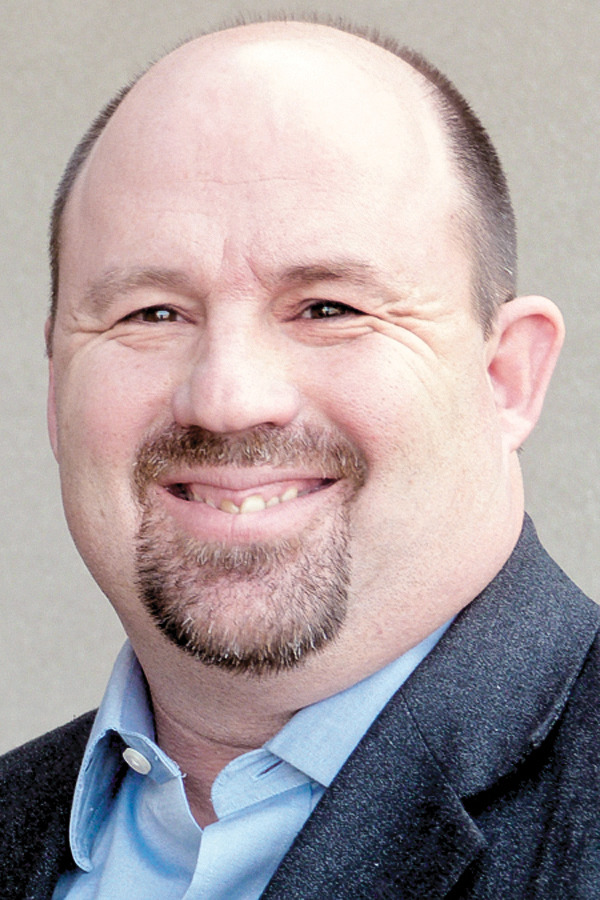
Roger Harnack is the owner/publisher of Free Press Publishing. Having grown up Benton City, Roger is an award-winning journalist, photographer, editor and publisher. He's one of only two editorial/commentary writers from Washington state to ever receive the international Golden Quill. Roger is dedicated to the preservation of local media, and the voice it retains for Eastern Washington.

Reader Comments(0)